


 English
 Español
Author: Admin
Date: May 29, 2026
Are Your Gift Boxes Truly Eco-Friendly or Just Greenwashing
Modern packaging decisions increasingly shape how customers judge a brand’s credibility, especially in premium retail and gifting sectors. At our company, we focus on transparent materials science and responsible production behind every packaging structure we develop. Many buyers searching for gift box packaging ideas or evaluating custom gift boxes are now asking a critical question: Is sustainability real, or simply a marketing claim?
The truth is that eco-friendly packaging cannot be defined by appearance alone. It requires measurable material choices, verified sourcing, and manufacturing transparency. We provide technical details of how packaging systems are engineered to reduce environmental impact while maintaining structural strength.
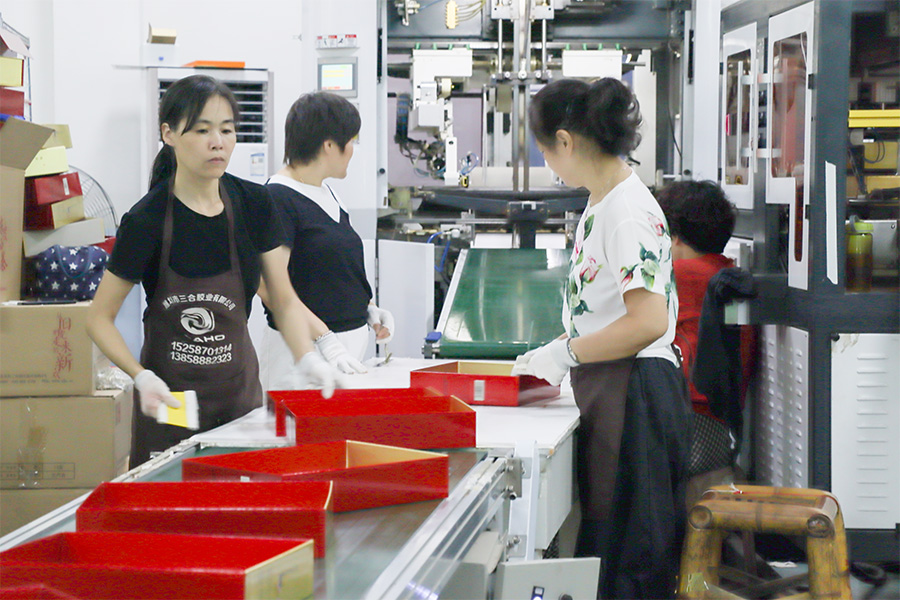
1. Core materials define real sustainability
Eco-friendly claims begin with raw material selection:
- Recycled paperboard content: 70%–100% post-consumer fiber
- FSC-certified virgin fiber: controlled forest sourcing
- Water-based inks replacing solvent inks
- Soy-based or biodegradable printing pigments
Many standard gift packaging products still rely on coated plastics or composite laminations that make recycling impossible. Real sustainable packaging avoids multi-layer plastic films unless they are separable or biodegradable.
2. Structural engineering reduces material waste
Sustainability is not only about what material is used, but also how much is used.
Typical eco-optimized structures include:
- Magnetic folding rigid boxes with reduced board thickness (1.5–2.0 mm instead of 2.5 mm)
- Flat-pack designs reducing shipping volume by up to 40%
- Die-cut insert systems eliminating plastic foam
- Modular sizing to avoid over-packaging
These engineering choices reduce carbon footprint during transportation and storage without weakening protection performance.
3. Surface finishing and printing technology matter
Many greenwashing cases hide inside surface treatment layers.
Environmentally responsible production avoids:
- PVC lamination films
- UV-heavy solvent coatings
- Non-recyclable glitter or metallic foils
Instead, responsible systems apply:
- Water-based matte varnish
- Digital offset hybrid printing
- Heat-transfer foil with recyclable backing sheets
At fifun, we use controlled coating processes to ensure recyclability is not destroyed after decoration.
4. Real eco packaging should be reusable or recyclable
True sustainability is measured after the initial use cycle.
Key performance indicators:
- Recyclability rate ≥ 95%
- Reusability cycles: 3–10 times for rigid gift boxes
- Material separation time < 10 seconds (no bonded plastics)
- Compostability for fiber-based inserts within 90–180 days
Many premium packaging systems now design boxes as storage containers after gifting, extending lifecycle value.
5. Carbon footprint is a hidden indicator of greenwashing
Eco claims often ignore logistics impact:
- Lightweight paperboard reduces shipping emissions
- Flat shipping formats cut container space usage
- Localized production reduces transport distance
- Efficient die-layout reduces material waste up to 12–18%
A packaging solution is not truly eco-friendly if production efficiency is low even with recycled materials.
6. Customization does not have to harm sustainability
Demand for custom gift boxes is growing, but customization often increases waste if not engineered correctly.
Sustainable customization includes:
- Standardized base structures with variable printing layers
- Digital variable data printing instead of multiple molds
- Reusable molds for embossing and stamping
- Minimal ink coverage design philosophy
This approach maintains branding flexibility while controlling environmental cost.
7. How to identify greenwashing in gift packaging
Key warning signs:
- “Eco-friendly” claims without material breakdown
- No recycling certification or FSC verification
- Excessive plastic coating hidden under decorative layers
- No data on recyclability or carbon reduction
- Overuse of buzzwords without technical documentation
Transparent suppliers always publish material composition and testing standards.
8. Industry trend: measurable sustainability standards
Global packaging trends are moving toward verification systems:
- ISO-based environmental management tracking
- Life Cycle Assessment (LCA) reporting
- Recycled content certification labels
- Digital traceability of raw materials
This shift forces manufacturers to prove sustainability rather than claim it.
9. Engineering-driven eco packaging approach
At our company, we integrate engineering and sustainability through:
- Structural optimization for material reduction
- Recycled fiber selection with controlled tensile strength
- Precision die-cutting reducing scrap waste below 5%
- Controlled printing systems minimizing chemical discharge
- Recyclability-first design logic for every packaging line
These methods ensure that sustainability is measurable, not decorative.
Share:

CONTACT
Get in touch
Recommended Products

KEEP IN TOUCH
-
 +86-18158771568
-
 scott_fifun@163.com
-
 +86-577-68681111
-
 Building 1, No. 1600-1662, Longjin Avenue, Longgang City, Wenzhou City, Zhejiang Province, China
CONTACT US
We will respond meticulously to any questions and feedback from customers.
Copyright © Zhejiang Feifan Printing Co., Ltd. All Rights Reserved.

OEM Modern Packaging And Printing Manufacturer

