


 English
 Español
Author: Admin
Date: May 15, 2026
Is DIY Gift Box Making Worth Your Time
DIY gift box making has become a practical topic for small brands, handmade sellers, and personal gifting enthusiasts. Modern gift box packaging ideas focus not only on appearance but also on cost control, branding impact, and sustainability. At the same time, demand for custom gift boxes continues to grow because packaging is now part of the product experience rather than just protection.
Our company works with packaging production and design solutions, and we often evaluate whether DIY gift box making delivers real value compared to professional manufacturing. The answer depends on time, scale, and quality expectations.
1. Time investment vs production efficiency
DIY packaging looks simple at first, but production speed becomes a limiting factor.
- Average handmade box assembly: 5–15 minutes per unit
- Small batch (100 boxes): 8–25 hours of labor
- Industrial production speed: 3,000–20,000 boxes/day depending on structure
- Folding tolerance in manual work: ±2–5 mm variation common
Handmade work offers creativity, but scaling becomes inefficient quickly.
2. Cost structure comparison
DIY gift box making is not always cheaper when materials and labor are calculated properly.
- Cardboard sheet cost: $0.20–$0.80 per box
- Glue, ribbon, printing add-on: $0.10–$0.50 per box
- Labor cost (manual time value): often $3–$8/hour equivalent
- Machine-produced rigid box: lower unit cost at volume scale
Cost advantage appears only in very small batches or highly personalized gifts.
3. Design flexibility and branding control
Strong demand exists for gift box packaging ideas that can express identity clearly. DIY boxes perform well in creativity, but consistency is weaker.
Typical DIY strengths:
- Full freedom in shape and decoration
- Easy seasonal or themed customization
- Ideal for emotional or one-off gifting
Custom manufacturing strengths:
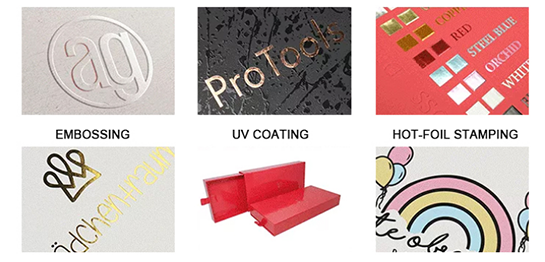
- Logo precision printing (offset/UV/foil stamping)
- Color consistency ΔE ≤ 2–3 for brand matching
- Structural stability across thousands of units
- Die-cut accuracy up to ±0.3 mm
4. Quality and durability differences
DIY boxes depend heavily on manual skill and material choice.
Common DIY materials:
- 250–350 gsm cardstock
- Recycled kraft paper
- Handmade adhesive bonding
Industrial custom gift boxes often use:
- 1200–1600 gsm rigid greyboard
- Laminated coated paper (matte/gloss/soft-touch)
- Magnetic closure structures
- Foam or EVA inserts for protection
Result:
- DIY: suitable for lightweight gifts (≤1–2 kg)
- Industrial: supports luxury packaging and shipping safety
5. Customer experience and unboxing value
Unboxing experience has become a major factor in gifting and e-commerce branding.
DIY packaging can create emotional value:
- Handwritten notes
- Irregular artistic textures
- Unique handmade appearance
Professionally made boxes improve perceived value:
- Clean edges and structured opening experience
- Magnetic or drawer-style mechanisms
- Consistent visual identity across orders
Studies and market feedback show that packaging quality strongly affects perceived product value and sharing behavior on social platforms.
6. Sustainability and material efficiency
DIY packaging often uses recycled materials, which supports eco-friendly goals.
Common sustainable approaches:
- Reused cardboard boxes
- Water-based glue
- Minimal ink printing
However, waste can increase during trial-and-error cutting.
Industrial production improves efficiency:
- Die-cut optimization reduces material waste by 10–25%
- Bulk recycling systems for paper scrap
- Controlled ink usage in large-scale printing
7. Technical structure options in packaging
Both DIY and professional packaging can use similar structural concepts, but complexity differs.
Common box types:
- Lid-and-base rigid box
- Drawer sliding box
- Folding mailer box
- Magnetic closure gift box
Technical parameters used in industry:
- Paperboard thickness: 1.0–2.5 mm
- Compression strength: 200–600 N depending on structure
- Surface finishing: UV coating, hot stamping, lamination
- Tolerance control: ±0.2–0.5 mm for die-cut accuracy
DIY versions rarely achieve this level of consistency.
8. Business perspective from our company
Our company focuses on packaging development and sees both DIY and industrial solutions as valuable depending on use case.
DIY gift box making is worth it when:
- Small personal gifting projects
- Creative testing of gift box packaging ideas
- Handmade brand storytelling
Custom production is better when:
- Scaling orders beyond 200–500 units
- Brand consistency is required
- Structural durability matters
We often help clients transition from handmade prototypes to mass production using custom gift boxes that preserve design intent while improving performance.
9. Practical recommendation summary
- DIY approach: high creativity, low scalability
- Industrial packaging: high consistency, strong efficiency
- Hybrid approach: design DIY prototype → convert to mass production
DIY gift box making is worth the time for creativity, testing, and emotional gifting. However, once packaging becomes part of branding or sales, professional manufacturing becomes more efficient and reliable.
Our company provides scalable packaging solutions and supports brands moving from handmade concepts to stable production systems. More details can be found at
Share:

CONTACT
Get in touch
Recommended Products

KEEP IN TOUCH
-
 +86-18158771568
-
 scott_fifun@163.com
-
 +86-577-68681111
-
 Building 1, No. 1600-1662, Longjin Avenue, Longgang City, Wenzhou City, Zhejiang Province, China
CONTACT US
We will respond meticulously to any questions and feedback from customers.
Copyright © Zhejiang Feifan Printing Co., Ltd. All Rights Reserved.

OEM Modern Packaging And Printing Manufacturer

